
When Europeans arrived in the Americas they found communities that accepted and respected gender diversity and same sex relationships. As with every other continent that the Europeans invaded, they imported their Christian homophobia and eradicated the memory of what once was – especially of the sacred roles that genderfluid people had long played in tribal ceremonies. Of that, artist George Catlin said in the 19th century, “I should wish that it might be extinguished before it be more fully recorded.” His wish almost came true.
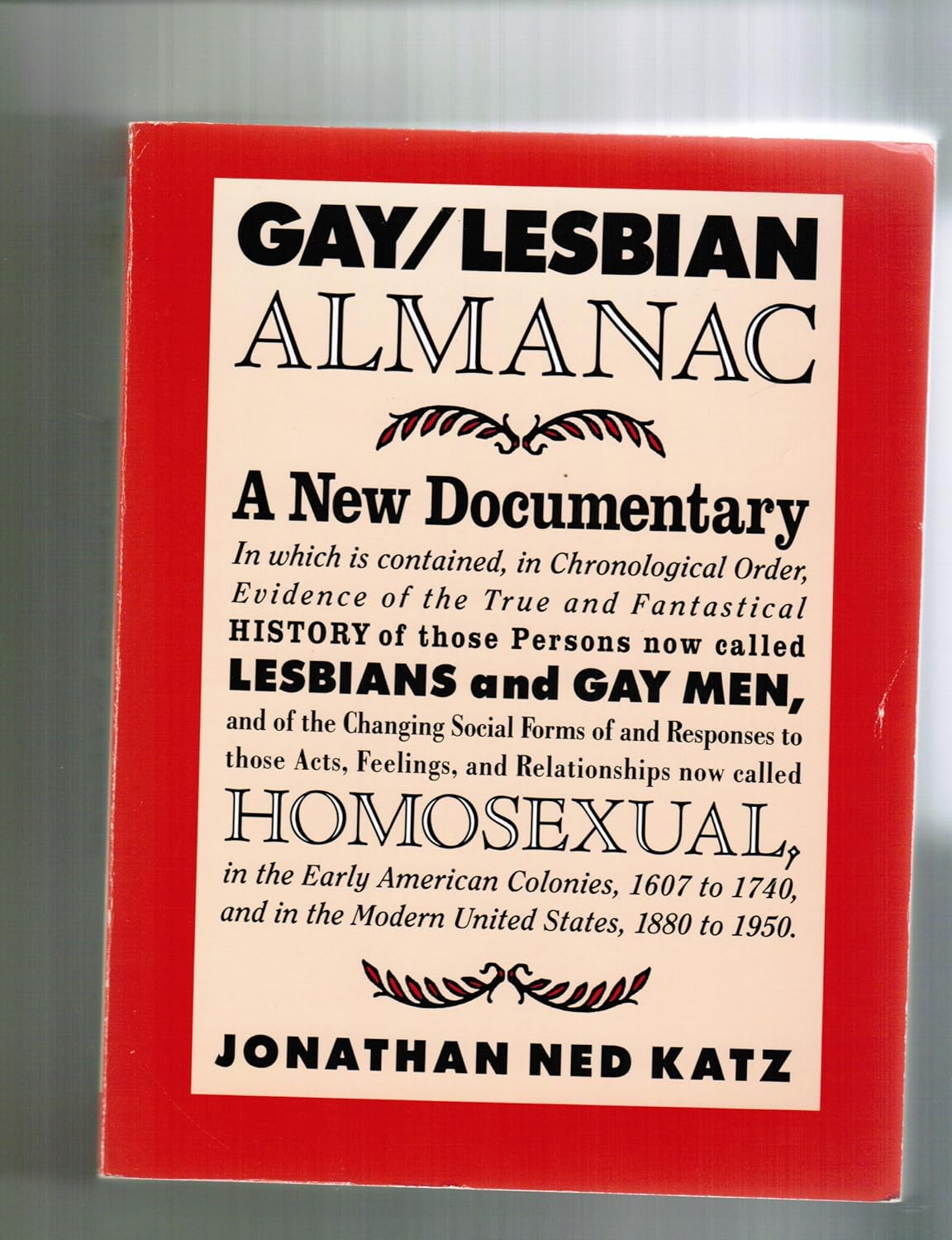
Extracted from the Gay/Lesbian Almanac, by Jonathan Ned Katz 1983
After their first look at the New World, Spanish and French military men, missionaries, and surveyors of the earliest period of American exploration often brought back astonished reports. Among the native population were males who dressed and worked as women, and who participated in “sodomy” with other men, the latter of apparently unremarkable appearance and demeanor.
Spanish and French accounts dating from the early 1500s refer to cross-dressing, cross-working, and same-sex erotic activities among Native Americans, in particular the Indians of Florida and Illinois. During this period, representatives of Spain and France traveled to these areas of proprietary interest, propelled by acquisitive desire and reforming zeal, the eager agents of imperial states and proselytizing churches. As military and spiritual servants of colonial powers, these Europeans arrived on the American continent with the aim of converting the heathen, possessing their land, its rumored metals and animal pelts-motives scarcely calculated to make these foreigners empathetic, accurate observers of the natives sexual behavior and emotional lives. But these early reports, vague and ambiguous as they are, do suggest the existence of institutionalized “sodomy” (the Europeans name for it), and several other forms of male-male intimacy. among the natives of what are now Florida, Illinois, California, and Louisiana.
The greatest number and most striking of these reports refer to males whom the Spaniards and French called, variously, amarionados, bardaches, effeminés, hermaphrodites, and mariones. These terms referred, it seems, not to males of anomalous physiology, but to those who lived as females, persons now usually described as “homosexual transvestites” -although it is not clear to what extent cross-dressing and cross-working existed apart from, or in association with, same-sex erotic activity. Sometimes educated from youth to adopt the work and dress customary for females, these males also sometimes adopted women’s customary sexual role with other men.
Some time between 1528 and 1536, Cabeza de Vaca observed Indian men of Florida who were “married” to each other, and described cross-dressing. cross-working amarionados (effeminate men) who “carry great burdens.”
Between 1562 and 1567, Laudonniere saw “hermaphrodites” who carried provisions when the Florida Indians went to war.
In 1564, Le Movne also observed that in Florida “hermaphrodites” were common; these, he said, worked hard and were “considered odious” by their fellow Indians. Spanish reports of the murder, in Florida, in 1566, of Guillermo, a Frenchman accused of being a “sodomite,” also indicated, in passing, that Guillermo lived with a local Indian, who loved the Frenchman “very much” -suggesting the possible existence of an early interracial affectional relationship between men.
About 1609, Torquemada wrote of mariones (effeminate men) among the natives of Florida, who cross-dressed, cross-worked, and married other men.
In 1613, Pareja, a missionary with the Florida Indians, posed confessional questions about “sodomy” between men, between boys, and about sex acts between women.
In the late 1600s, Coreal explored North America, later writing that, among the Florida Indians, the men were much inclined to sodomy, that effeminate boys also “abandon themselves” to it, did women’s work, performed various servile functions, and were held in great contempt. Coreal thought these effeminate boys were confused by other observers with hermaphrodites.
Another group of early Spanish and French reports referred to the Indians of the Illinois area. Between 1673 and 1677, Marquette was mystified by cross-dressing Illinois men who “do everything that the women do,” who played important political and ceremonial roles, and who “pass for Manitous, of Consequence.”
Gregory D Smithers, Reclaiming Two Spirits: ‘Manitou. It intrigued Europeans; it worried missionaries. What was it? Men like Marquette speculated that Manitou were spirits that inhabited the supernatural world. But they couldn’t be certain… European invaders heard stories about Manitou, of tricksters and powerful grandmothers, of dances performed in masquerade, and tales of spirit beings springing from the forest wilderness… Manitou was spiritual power. It filled all things but could appear most visibly and powerfully in specific forms, like animals… Summoning Manitou wasn’t an individual pursuit… When shamans and priests summoned its power, they relied on ceremonies involving dreams, dances, chanting and tobacco smoking. In some Native communities, gender-fluid people led these communal efforts. People filled with Manitou were sources of great wonder and power. Their kin viewed them as special people – people powerful enough to mediate their own community’s beliefs with those of outsiders.’
About 1678, in the Mississippi Valley area, Hennepin observed the teenage boy who dreamed that he was a girl, then dressed and worked as a woman. Hennepin also noted that “Hermaphrodites” were common. and that Indian men, guilty of “Sodomy,” kept boys dressed as women for this activity.
About 1680, Membré observed that “Hermaphrodites are numerous” among the Illinois, and mentioned cross-working Indian boys dressed as women, used for “infamous purposes.”
In the late 1600s, Lahonton traveled in North America, his report describing two groups of Illinois Indians: “Bachelors” and “Hermaphrodites.” each group manifesting different characteristic behaviors. Lahonton also reported that the Illinois and other Indians who lived near the Mississippi were all “strangely given to Sodomy.”
In 1687, Barcia casually mentioned a “hermaphrodite” traveling on the Mississippi with La Salle’s party. In 1697, a report attributed to Tonti spoke of the Illinois and described cross-dressing, cross-working boys, looked upon by the natives with contempt. These boys were apparently the sexual objects of other males-a vice said to be out-lawed by the natives, even though apparently indulged in. The report added that “Hermaphrodites” were “common” among the Indians.
In 1699, St. Cosme reported seeing an Illinois Indian, “one of those wretches who from their youth dress as girls and pander to the shameful of all vices.” And in 1702, after spending four years in the area now known as Chicago, Liette reported that there “sodomy prevails,” with males being “bred for this purpose from childhood.”
The cross-dressing, cross-working, and same-sex erotic activity reported by Spaniards and Frenchmen was spoken of by them as “sinful,” “abominable,” “beastly,” “dissolute,” “infamous,” “lewd,” “loathsome,” “shameful,” and “un-natural.” These observers unabashedly judged Native American practices according to the tenets of Christian morality. The Europeans’ reports thus clearly reveal at least as much about Spanish and French values as about Native American customs. In these reports it is, in fact, often difficult to separate the European observers judgments from the evaluations ascribed to the Indians themselves, so that the actual status and character of “sodomy” within native groups remains ambiguous.
On the one hand. Marquette, in 1673, said that cross-dressing Illinois Indians performed important religious functions and “pass for persons of Consequence.” On the other hand, the report of 1697, attributed to Tonti, said that cross-dressing, cross-working Illinois boys were looked upon by their fellow natives with contempt. It is impossible to know from such reports whether Native American or European values were reflected in Marquette’s contradictory statement that cross-dressing males “glory in demeaning themselves.”
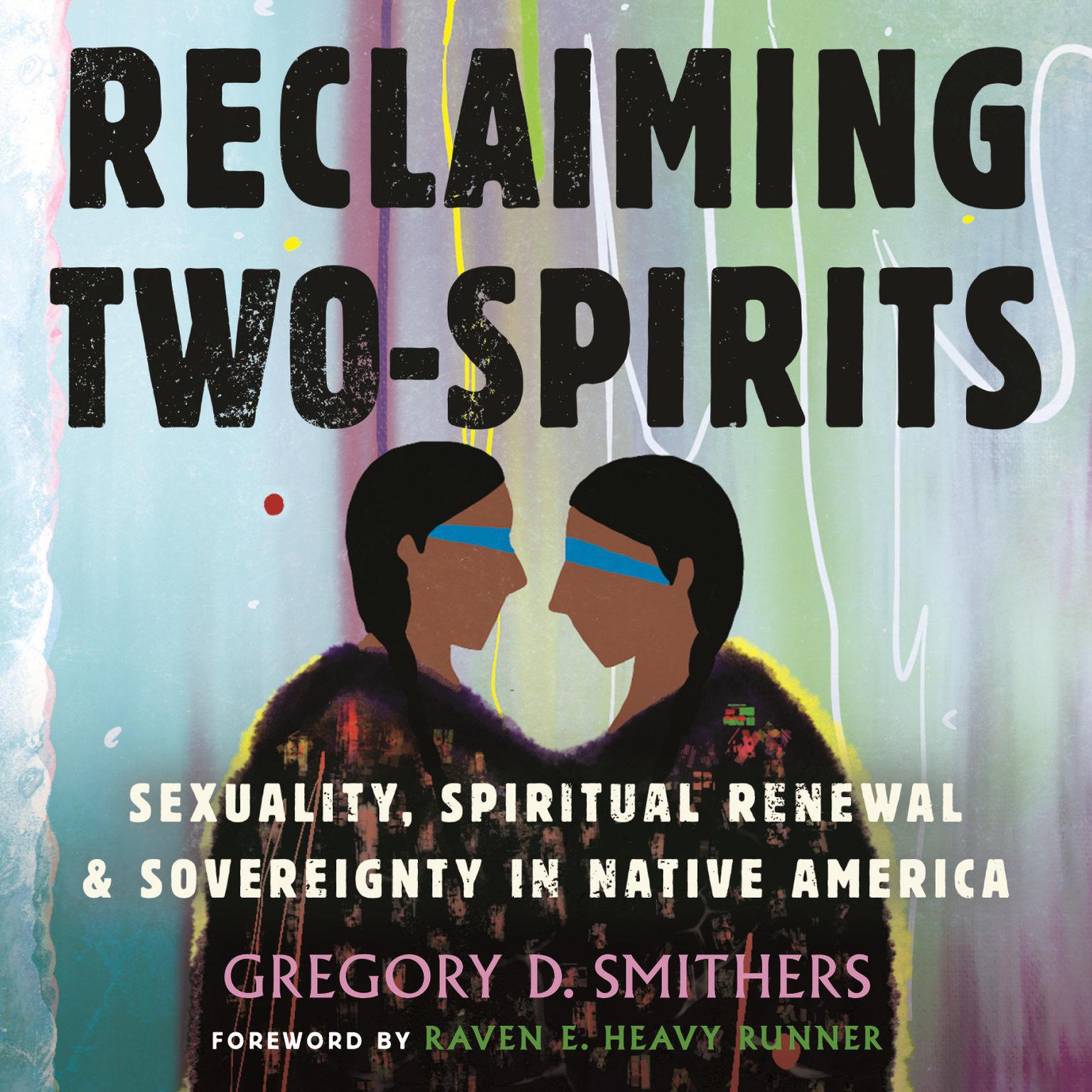
Extracted from Gregory D Smithers, Reclaiming Two Spirits, 2022:
Joseph-Francois Lafitau, born Bordeaux in 1681, was a Jesuit missionary who spent time with the Iroquois and Mohawk tribes. In his work, Customs of the American Indians, compared with the customs of primitive times, published in 1724, he condemned the ‘special friendships’ between male natives, some of whom dressed as women. He wrote that these men “transvest” their gender identity and “believe they are honoured by debasing themselves to all of women’s occupations.” He wrote they “participate in all the religious ceremonies” and declared “this profession of an extraordinary life causes them to be regarded as people of a higher order, and above the common man.” He compared them to the ancient priests of Goddesses Aprhrodite Urania and Cybele in pre-Christian Europe.
On a 1775 expedition to what is now California, Franciscan missionary Pedro Font recorded seeing “men dressed like women.” He wrote that the expedition “commander called them americados, perhaps because the Yumas call effeminate men maricas.“
The Yuma, or Quechan, people “nurtured blended gender identities and formed intimate relationships that sometimes breached the heteronormative ideals that the Europeans brought with them to the Americas… Male bodies Quechans who took on women’s social roles and wore female clothing were known as kwe’rhame. Female-bodied people who assumed male social roles and dressed like men were known as elxa’. For both kwe’rhame and elxa’ people, the adoption of these identities… was as much a spiritual as a physical experience.
“Font claimed that he saw men who constantly stroked their penises in front of other men. He reprimanded them. They ignored Font and continued engaging in mutual masturbation… Perhaps this was an act of anticolonial resistance.”
New York born Charles C Trowbridge, an amateur ethnologist, wrote in the 1840s about reports of the Cherokee people from the 1820s that revealed “there were among them formerly, men who assumed the dress and performed all the duties of women and who lived whole lives in this manner.”
John Tanner, born Tennessee 1780, was, aged 9 years old, abducted by Shawnee warriors who struck his family farm. They sold him to the Saulteaux people, part of the Ojibwe tribe living near the Great Lakes, who took him into their community and initiated him into the roles and responsibilities of being a member of the clan. He eventually married and fathered at least 8 children. In 1817 he returned for a period to settler society in Kentucky and wrote a memoir about his experiences in which he told about an agokwa – which translates as ‘man-woman.’ He wrote that “This man was one of those who make themselves women.” This agokwa, Ozawwendib (Yellow-Head) was the son of a chief, but referred to by the community as a woman. Tanner estimated Ozawwendib was about 50 years old, recorded that heshe “had lived with many husbands,” and made overtures to Tanner to get married. The Ojibwes were highly amused by his refusal. Ozawwendib later married another man – there was much festivity and Tanner recorded that the relationship “was attended with less uneasiness and quarreling than would have been the bringing in of a new wife of the female sex.”
“In traditional Ojibwe communities, people possessing Ozawwendib’s identity united men and women. Known as ikwekaazo, ‘one who endeavours to be like a woman,’ these people possessed powerful spiritual qualities. Women who performed the roles of men, konwn as ininiikaazo, were similarly honoured. The powers that the Ojibwe believed people like Ozawwendib possessed meant that they played leading roles in ceremonies, bringing Anishinaabe men and women together in dance and prayer… it also meant they transcended male and female roles.”
“Across the western half of North America, gender fluidity remained part of daily life in most Native communities during the nineteenth century…”

George Catlin, born 1796 in Pennsylvania, painted pictures of 19th century Native peoples – Smithers writes that “His paintings froze Indigenous people in time. The images presented audiences with a visual catalog that fed into the trope of white supremacy, which was buttressed by the short narratives that accompanied Catlin’s work.” In his work, The Dance of the Berdache, from the 1830s, he depicted a tribal ceremony honouring what he said was “a man dressed in woman’s clothes.” He said that the Dance “is one of the most unaccountable and disgusting ceremonies I have ever met in Indian country,” and declared “I should wish that it might be extinguished before it be more fully recorded.”
berdache – the word, given by the first Europeans explorers in the Americas to the genderfluid shamans of the native tribes, has Persian roots and refers to a young bottom in gay sex, a catamite. This word became the standard anthropological term until the late 1980s, when a meeting of ‘berdaches’ from many tribes set out to reclaim their true spiritual identity, and started by replacing that word with Two-Spirit, a term considered to point to and reflect the many original native terms for the shamans.
The nineteenth century aim of the European settlers to eradicate all memory of the sacred queer shamans almost came true in the 20th century, but in the 21st the Two Spirits are back. And their example could waken the spirit of queer people across the world, inspire us to break the chains of religious lies, of imposed shame and guilt, and reclaim our healing, bonding, creative powers.
“Rather than the physical body, Native Americans emphasised a person’s “spirit”, or character, as being most important. Instead of seeing two-spirit persons as transsexuals who try to make themselves into “the opposite sex”, it is more accurate to understand them as individuals who take on a gender status that is different from both men and women. This alternative gender status offers a range of possibilities, from slightly effeminate males or masculine females, to androgynous or transgender persons, to those who completely cross-dress and act as the other gender. The emphasis of Native Americans is not to force every person into one box, but to allow for the reality of diversity in gender and sexual identities.” The ‘Two-Spirit’ people of indigenous North Americans (firstpeople.us)
 rainbow messenger